
Category Blog
How Does a Noodle Packing Machine Work? Step by Step
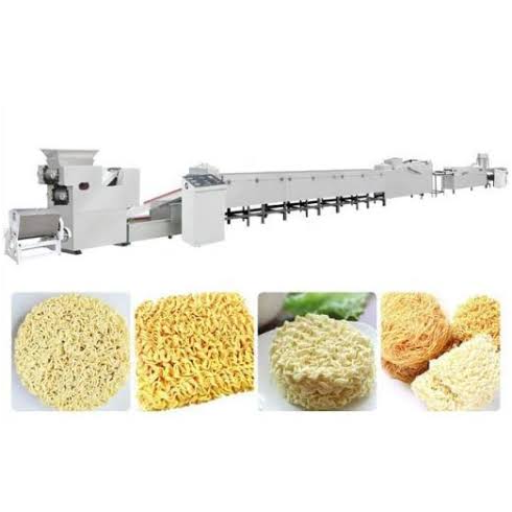
How does a noodle packing machine work? It moves noodles through a timed cycle: portion the product, form or position the package, fill it, seal it, cut it, and inspect it. At 200 packs per minute, that cycle finishes in…
Food Equipment Site Acceptance Test: Installed-Line Protocol and Retest Checklist
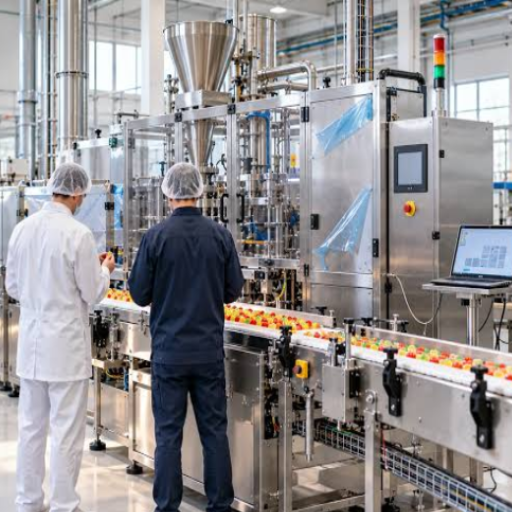
A food equipment site acceptance test checks the installed line against agreed requirements. Its records support the decision to accept the line. It covers the site conditions and connections named in the agreed protocol. The line runs, but what did…
Pasta Packing Machine: A Buyer’s Guide by Pasta Type
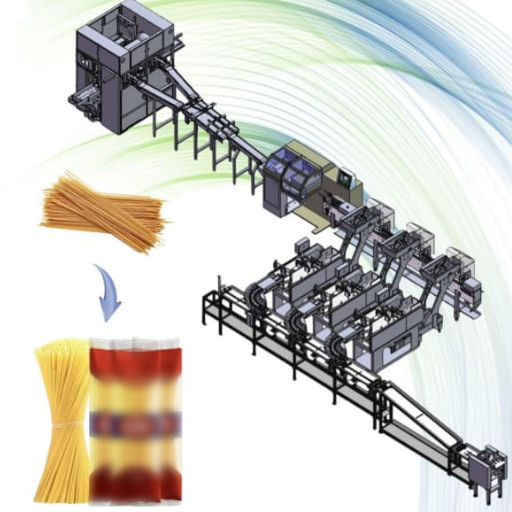
A pasta packing machine isn’t one machine. It’s at least four different systems, and the one you need depends entirely on the shape of pasta you make. Long-cut pasta like spaghetti runs on a channel-aligning wrapper. Short-cut pasta like penne…
Types of Noodle Packing Machines: 8 Configurations Compared
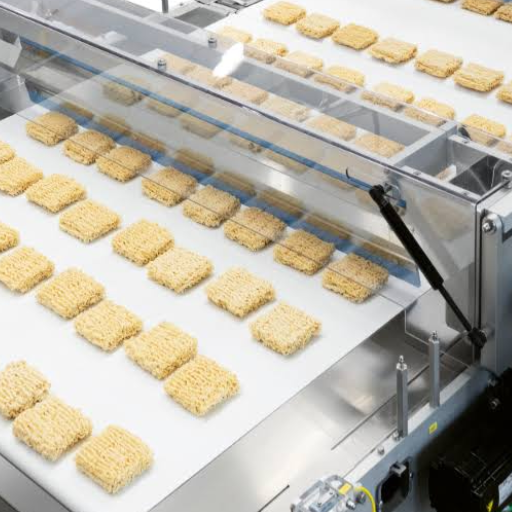
The types of noodle packing machines used in commercial plants fall into eight configurations, from the horizontal pillow packer that wraps instant blocks to the case packer at the end of the line. Your product form and pack format decide…
Food Production Line Utility Readiness: Verify Connections Before Start-Up
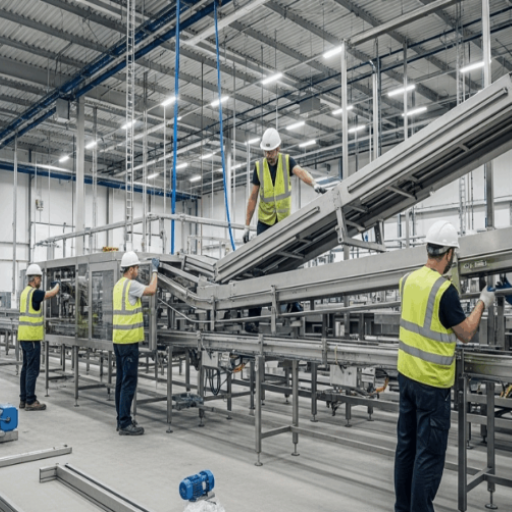
Utility readiness means showing that each required supply meets the approved machine and process requirements at its connection, under the agreed test conditions. A fitted pipe, cable or hose proves that it is in place. It does not prove the…
Planning Food Equipment Product Trials: Materials, Samples and Scale-Up Records
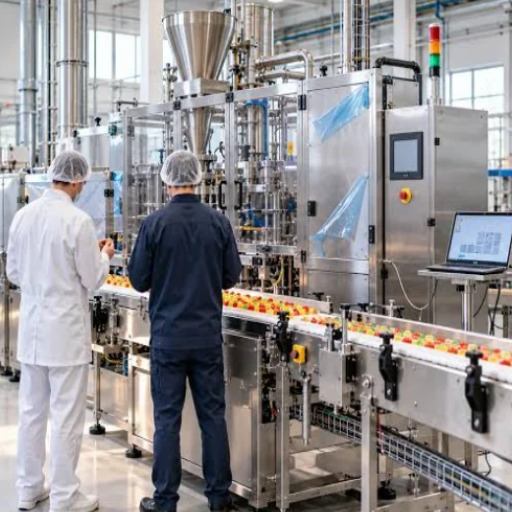
Plan food equipment product trials around a clear decision, then connect each ingredient lot and recipe version to a run, its samples, and the results. Agree what to bring, what to test, and what to record. Do this before you…
Cup Noodle Sealing Machine: The Complete Buyer’s Guide
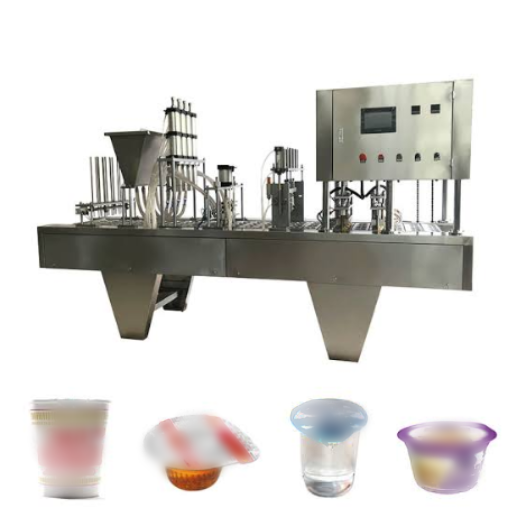
A cup noodle sealing machine heat-seals a foil or laminate lid onto a filled cup or bowl at speeds of 40 to 120 cups per minute. That seal decides the shelf life of everything inside. Buy the right machine and…
Food Processing Equipment FAT: Protocol, Witness Records and Shipment Decisions
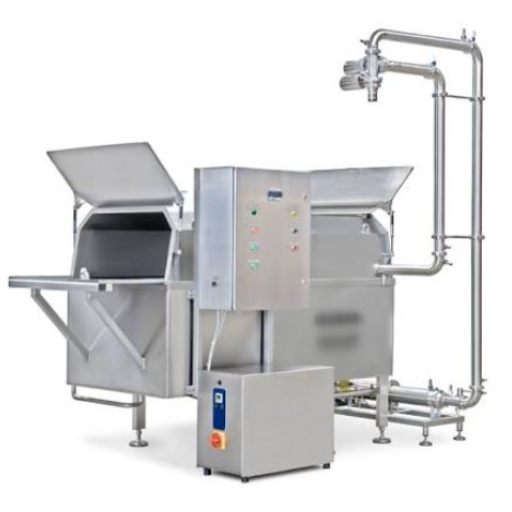
A food processing equipment FAT is a factory acceptance test. It checks the agreed equipment requirements at the supplier’s works before shipment. The record shows what was tested, the conditions used, what remains open, and who can approve dispatch. A…
Food Production Line Commissioning: From Site Readiness to Accepted Production
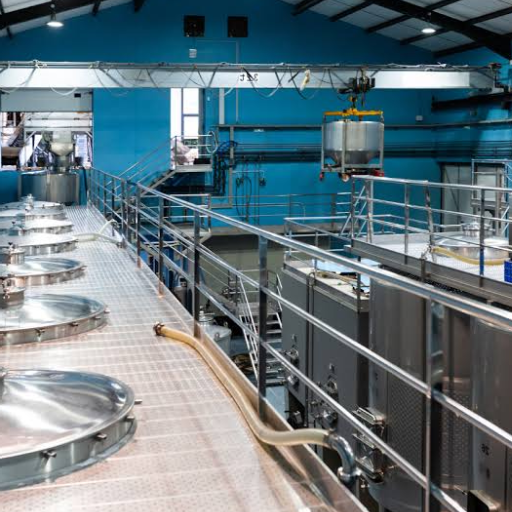
Food production line commissioning brings installed equipment through controlled checks, product trials and recorded acceptance. The aim is a line the team can run within clear limits. Records must support the decision to start production; a successful demonstration alone is…
Food Equipment Acceptance Criteria: Build a Requirements-to-Test Matrix
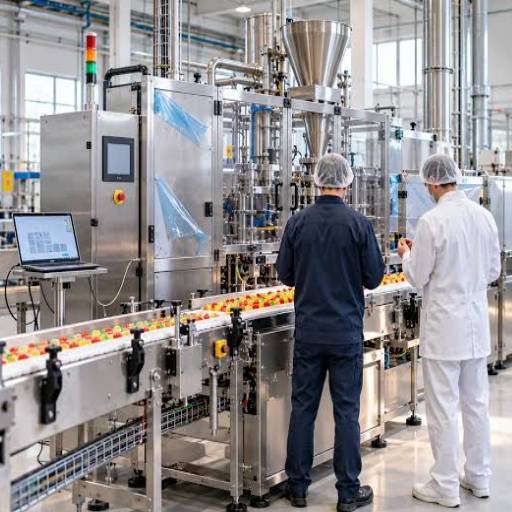
Food equipment acceptance criteria define what a machine must prove. They set the agreed conditions for the buyer to accept a stated scope. A requirements-to-test matrix links each criterion to its source and test. It also identifies the proof and…